

Have you ever heard a mysterious buzzing sound overhead during the witching hour? If so, you’re not alone. Drones have taken to the night skies, much like ambitious owls out to deliver Amazon packages. But why exactly are these gadgets hovering above homes when all we want is a peaceful evening under the stars? Let’s investigate into the intriguing realm of nighttime drone activity, unpacking everything from their purposes to what you can do if you find yourself under their watchful eyes.
Understanding Nighttime Drone Activity
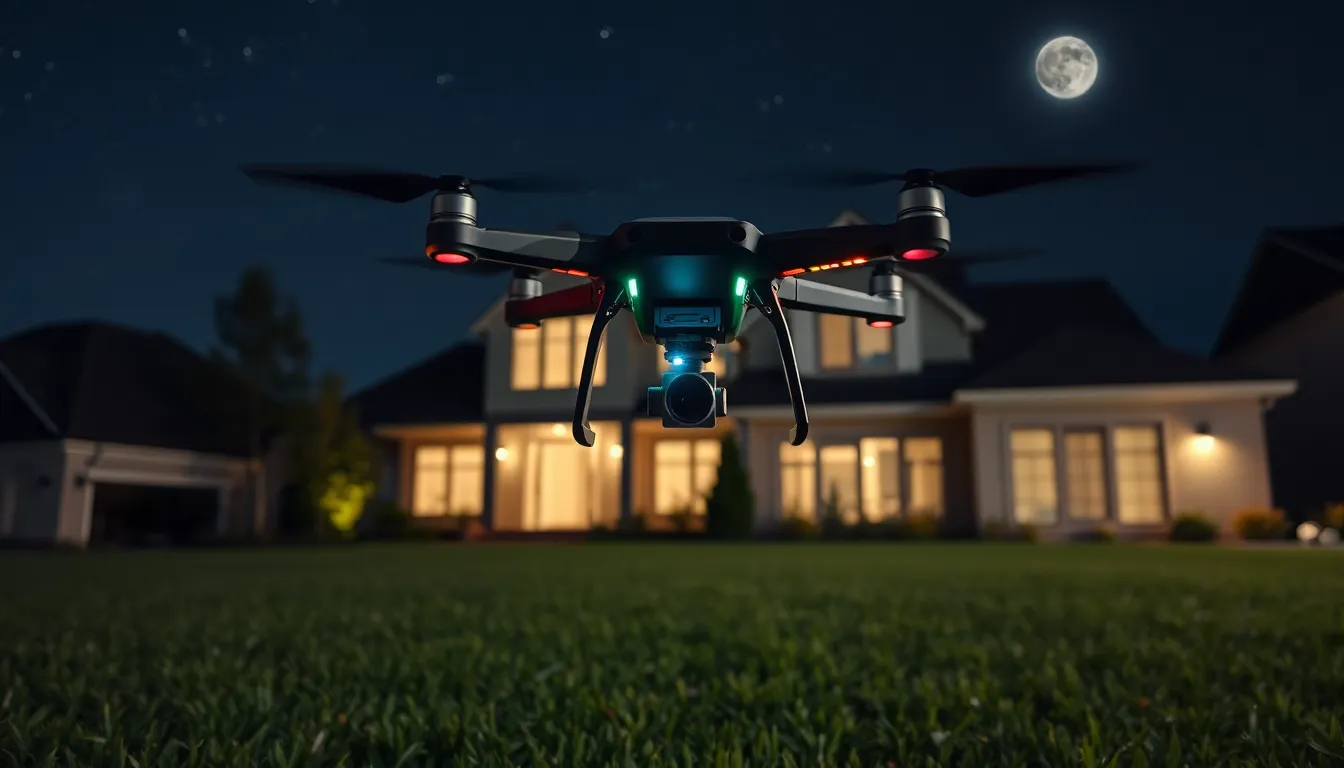
Drones have surged in popularity over the last decade, evolving from high-tech toys into tools for commercial and recreational use. Their capabilities have grown exponentially, allowing them to operate around the clock. Understanding nighttime drone activity begins with the technology itself. Many drones are equipped with advanced navigation systems, infrared cameras, and even thermal imaging, making them just as functional after dark.
Also, some drones are outfitted with LED lights, allowing them to be visible in low-light environments. These enhancements enable users, ranging from hobbyists to professionals, to use drones effectively even when the sun goes down. But what drives someone to prop up a drone in the middle of the night? Let’s explore further.
Common Reasons for Drones Over Residential Areas
Various factors contribute to the rise of nighttime drone activity over residential neighborhoods. Here are some of the most common reasons:
- Surveillance: Some individuals or businesses may use drones for security purposes, monitoring properties after hours. This practice can deter burglaries and provide peace of mind but may raise privacy concerns among homeowners.
- Photography and Videography: Aerial shots taken at night can yield dramatic images, making drones a common tool for night-time photographers. Whether for events, real estate listings, or promotional content, the allure of capturing a unique perspective draws photographers to the skies.
- Delivery Services: Major retailers and startups alike are testing nighttime drone delivery systems. Picture this: it’s 10 PM, and there’s a drone delivering pizza to your neighbor. While it’s not yet widespread, the future of deliveries might include these flying couriers operating after dark to avoid daytime traffic.
- Agricultural Monitoring: Farmers use drones to keep an eye on their crops. Nighttime inspections can help them understand how crops are growing in different light conditions, making it a more comprehensive approach to agricultural management.
- Emergency Services: Drones are sometimes deployed by local authorities for search and rescue missions or to assess damage after natural disasters. Their ability to navigate difficult terrain and poor visibility can be an invaluable asset.
Legal Regulations and Restrictions
Even though the excitement surrounding drone technology, there are laws governing their use, especially at night. Regulations vary significantly between countries and even states, but here are some common rules that drone operators often face in residential areas:
- Federal Aviation Administration (FAA) Guidelines: In the U.S., the FAA requires drone pilots to follow specific regulations. For example, drones must stay within line of sight, and nighttime flights often require special authorization. Most operators must also register their drones and adhere to restrictions on weight.
- Local Laws: Many communities have additional regulations about where drones can fly, especially in populated areas. It’s wise for residents to familiarize themselves with local laws concerning drone usage to understand their rights and responsibilities.
Understanding these regulations can provide some comfort to concerned homeowners. If drones are operated legally, there’s usually little to fear.
Safety Concerns and Privacy Issues
The convenience of drones brings valid safety and privacy concerns. Imagine unwittingly looking up to see a drone hovering above your backyard. Here’s why that’s a concern:
- Privacy Invasion: Drones equipped with cameras can capture images and videos without your knowledge. This can lead to unwanted surveillance, infringing on personal privacy. Homeowners have the right to feel secure in their own space, and awareness of drone activity is critical.
- Safety Risks: Drones can malfunction, leading to crashes and potentially injuring people or damaging property. Also, there’s the risk of collisions with manned aircraft, especially in areas where both types of aerial vehicles share airspace.
- Noise Pollution: The sound of drones buzzes through the night air, which might disturb personal tranquility. While this might not seem like an immediate danger, it can certainly affect nightly routines and peace of mind.
What To Do If You See Drones At Night
If you spot a drone flying over your property at night, take it easy. Here are some practical steps to handle the situation:
- Record Your Observations: Document what you see. Take notes on the time, duration, and behavior of the drone. If it’s operating inappropriately or poses a threat, having a detailed account can be beneficial.
- Check Local Laws: Knowledge is power, so take the time to educate yourself on local drone regulations. Understanding the laws can give you confidence when addressing the issue.
- Contact Authorities: If the drone seems suspicious or is violating laws (like flying too close or hovering without authorization), consider contacting local law enforcement. They can investigate the situation further.
- Communicate with Neighbors: You’re likely not the only one disturbed by nighttime drone activity. Sharing information with neighbors can help establish whether this is a broader issue that may need addressing within your community, including how to address it through local governance.
- Seek Professional Guidance: If the problem persists, consider consulting an attorney familiar with drone laws in your area to explore your options. Knowledgeable legal advice can help in cases of harassment or privacy invasion.
Future Trends in Drone Usage
Looking ahead, the use of drones shows no signs of slowing down and will likely expand in exciting ways. Here are a few trends to watch:
- Advanced Delivery Systems: Companies are continuing to invest in drone delivery technology, especially for time-sensitive items. This could tremendously change how we receive packages, making nighttime deliveries more common.
- Increased Regulation: As drone usage grows, regulatory bodies will surely adapt laws to ensure safety and privacy concerns are adequately addressed. It’s possible that protective measures for homeowners will be implemented in response to public feedback.
- Technological Innovations: Newer technologies, such as AI for real-time decision-making or improved navigation systems that enhance safety, are on the horizon. These advancements could make nighttime drone usage safer, more efficient, and widely accepted.